![How to Sell a Flood-Damaged House in [market_city]](https://image-cdn.carrot.com/eyJidWNrZXQiOiJwcm9kdWN0aW9uLmNhcnJvdC11cGxvYWRzLm9uY2Fycm90LmNvbSIsImtleSI6InVwbG9hZHMvc2l0ZXMvODIxNDgvMjAyNi8wOS9Ib3ctdG8tU2VsbC1hLUZsb29kLURhbWFnZWQtSG91c2UuanBnIiwiZWRpdHMiOnsicmVzaXplIjp7IndpZHRoIjoxMTUyfSwidG9Gb3JtYXQiOiJ3ZWJwIn19)

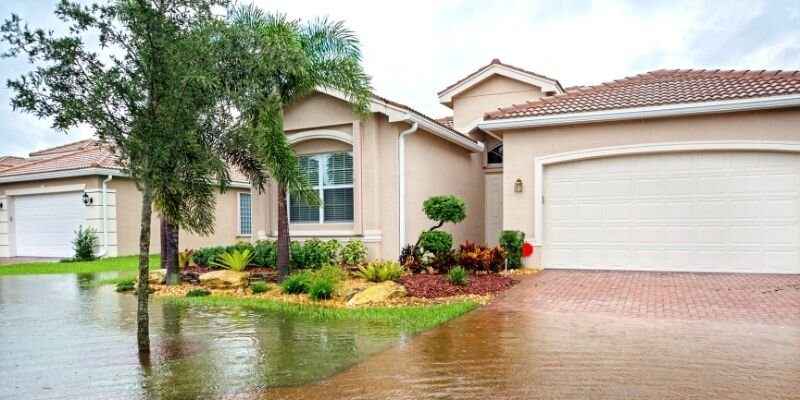
Water doesn’t need a river to wreck a house. I’ve walked into basements in the Billings Heights where a split supply line did more damage than the Yellowstone did during the 2022 flooding. The house still stands. The furnace is scrap, the drywall smells like a wet dog, and the owner is holding a claim check that covers half of one contractor’s bid. If you’re trying to figure out how to sell a house with flood damage in Montana, you’ve got more paths forward than the two you’re weighing. Selling is one of them, and it isn’t giving up.
Can You Sell a House With Flood Damage in Montana?

The plan usually goes like this. File the claim, cash the check, hire a crew, and list in spring. Then the adjuster’s number lands thousands below the contractor’s bid. The contractor can’t start until August, and the spring selling window shuts while you’re still waiting on a dumpster.
No Montana law stops you from selling a house with flood damage, fire damage, or hail-shredded siding. Financing is the real wall. An appraiser who sees active water intrusion, missing drywall panels, or a dead furnace will call out the condition. Most lenders won’t fund a house they can’t insure or occupy. Your buyer pool shrinks to cash buyers, investors, and the small handful of people using renovation loans.
That last group sounds promising, and rarely is. Renovation financing requires bids, draw schedules, and an approved contractor. Your buyer is assembling a construction project before owning the house. Those sales fall apart more often than they close. Some lenders allow an escrow holdback for minor repairs, but a holdback covers a missing handrail, not a gutted basement. Know which buyer you’re marketing to before you price the house for someone who can’t get funded.
Flood zones add a second layer. Federal law requires flood insurance on any building with a federally backed mortgage inside a mapped Special Flood Hazard Area, something Montana’s insurance commissioner spells out plainly for floodplain properties. Your buyer inherits that premium, and premiums under the NFIP’s newer rating method vary house by house.
One more thing about insurance claims. If you’ve collected funds and spent none of them, that money is usually negotiable in a sale. Some sellers keep the proceeds and discount the price. Others assign the claim to the buyer. Both work. What doesn’t work is pretending the claim never happened, because carriers keep records and so do restoration companies.
How Do You Assess Damage Before Selling a House in Montana?
Guessing at flood damage costs more than measuring it. That’s the whole lesson.
A moisture meter and two hours with an independent inspector will tell you whether you’re looking at cosmetic staining or a rotted sill plate. Clean water from a broken pipe is a different animal than a sewer backup or river water carrying silt and fuel residue. What kind of water hits the house decides what has to come out: drywall, insulation, subfloor, ductwork, and sometimes framing.
Ask the inspector for a written report with actual moisture readings, not a verbal summary. Have them check the spots buyers always check. The base of the furnace, the water heater pan, the rim joist, and the underside of the subfloor from the crawlspace. Before anyone cuts anything, photograph every room, every wall line, every appliance. I’ve watched sellers skip that step and regret it. Those photos become your evidence later, both for the adjuster and for a buyer who wants to know what sits behind the new paint. Bring a flashlight and a screwdriver of your own. Pull a floor register and look down the duct run, because silt inside the ducts means the crew is cleaning or replacing them, and that line item catches people off guard.
Not long ago, a longtime landlord in Laurel called me after spring runoff got into the crawlspace of a rental he’d owned since the nineties. His mother had just moved into assisted living in Billings, so he was driving back and forth three times a week, and the garage was still full of his tenant’s abandoned tools. He didn’t need a perfect repair plan. What he needed was the real number, so he could choose. Once he had it, the decision took him about a day, which is about what I see once sellers get a real number in front of them.
Most sellers in mapped floodplains never hear about this part. Say the cost to restore a building to its pre-damage condition hits or passes 50 percent of the building’s pre-damage market value. Montana’s DNRC and FEMA then treat it as substantially damaged, and the structure has to be brought into compliance with floodplain rules. That can mean elevation. Your local floodplain administrator makes that call, not your contractor, and the state floodplain program can point you to the right person in your county or city before you spend a dime on permits.
Make that phone call early. It’s free, it takes one conversation, and the answer changes your entire budget.
Get a written scope from a licensed contractor. Add a separate mold assessment if anything has been wet for more than a couple of days. Two estimates, not one.
Should You Repair or Sell Your Damaged Montana House As-Is?

Sink money into the wrong repair, and the appraisal won’t hand it back. Nobody prices that risk before they swing a hammer.
Full restoration wins in a few situations. You have real insurance funds, a contractor with an actual start date, and a property in a neighborhood where finished comps support the spend. Selling as-is makes sense when the renovation eats your equity. It makes sense when you’re carrying a mortgage and a rental payment at once, or when the house sits in a floodplain and compliance work would balloon the budget.
Pay attention to the phrase “actual start date.” A contractor who says he can probably get to you in a few weeks has not given you a schedule. Ask for a written start date and a completion window. Ask him for references on two jobs he finished in the last year, then call them. Ten minutes on the phone tells you more about his schedule than any promise he makes at your kitchen table. Find out what happens if he hits rot or a failed sewer line once the walls are open. Then assume the job runs long, because it usually does, and ask whether you can absorb that.
Timing deserves weight in that math. Homes in Billings were going under contract around 61 days on market as of August 2026, per Redfin’s city data, and that clock doesn’t start until the house is show-ready. Add a four-month remodel to a two-month listing period, and now you’re paying utilities, taxes, and insurance premiums through a Montana winter for a house nobody lives in. A cash close skips the show-ready part, which is one reason we buy houses in Billings in whatever condition they’re in. The same holds in the smaller towns along the Yellowstone, where we buy houses in Laurel, MT and we buy houses in Columbus, MT no matter what the water did.
Which column does your house fall in?
I’ve watched sellers do half a remodel, run out of cash, and list a property that looks worse than when it flooded. Framing exposed, floors bare, a tarp on the roof. Partial work is the most expensive choice available. Either finish it or don’t start. When the arithmetic says don’t start, an as-is number from a local buyer like Billings Homebuyers gives you a floor to compare everything else against.
What You Must Legally Disclose When Selling a Damaged House in Montana
In 2023, the Montana Legislature wrote out what a seller’s property disclosure statement needs to cover. Water intrusion sits right there on the list, alongside roof, foundation, plumbing, and septic issues. Nolo’s summary of Montana seller disclosure rules walks through each one in plain language.
Known material defects that a buyer couldn’t spot on a walkthrough have to be written down. Prior flooding qualifies. So does a repaired leak, a remediated mold patch, and a sump pump you installed after the second wet spring. The standard Montana Association of Realtors form also flags floodplain status. If your parcel touches a mapped flood hazard area, that belongs in the paperwork too, and sellers rushing to list forget it constantly.
Sellers get nervous that disclosure kills a sale. My experience runs in the opposite direction. Buyers who learn about water damage from the disclosure form negotiate. Buyers who find cut drywall behind a freshly painted basement wall during inspection walk away, or worse, come back after closing with an attorney.
Say what you know, say what you don’t, and don’t guess. “Unknown” is an honest answer when it’s true. For damage that happened before you owned the house, when all you have is what the previous seller told you, write that down exactly the way you heard it.
Build a file while you’re at it. The inspection report, the remediation invoice, the moisture logs the restoration crew left behind, and the permit, if one was pulled. Hand those files to your agent and to your buyer. Paperwork showing the work was done right is worth more at the negotiating table than a clean-looking wall with no story attached to it.
Should something change between contract and closing, a new leak, a hail event, or a failed water heater, put it in writing and get it to the buyer. Your broker or a Montana real estate attorney can confirm when the statement has to be delivered in your transaction. That timing ties to your listing agreement and the purchase contract, not one universal deadline.
Pricing a Water-Damaged House So It Actually Sells

The number that moves a damaged property is rarely the number sellers start with. Pull three comps that sold in the last six months in your neighborhood, in ordinary condition, then subtract the actual repair estimate, not the optimistic one. Subtract again for the months of carrying cost your buyer inherits while the work happens, plus whatever margin a contractor-buyer needs to justify the risk. That margin never shrinks.
Sellers argue with the last subtraction the most. It’s also why as-is offers come in below retail comps. You’re not being lowballed because someone thinks your house is worthless. You’re being offered the price of a project, and projects in Billings compete with every other project a buyer could take on that month.
Even a damaged house needs to look cared for. Haul the debris, cut the grass, get the standing water out, and make the mechanical rooms walkable so a buyer can actually see what he’s buying. The unknown gets priced as risk, and risk gets discounted harder than known damage does. If you have the contractor’s written scope, share it. A buyer who can see the job spelled out will bid closer to the real number than one guessing from the doorway.
Compare the gap between an as-is cash offer and a repaired retail sale. If that gap is smaller than repair costs plus six months of holding, as-is wins on arithmetic alone. If it’s much larger, and you have the cash and the stomach for a contractor schedule, fix it and list it. Run the numbers before you get attached to either answer. Either way, it costs nothing to see what it looks like to sell your home for cash in Montana before you sign with a contractor.
Frequently Asked Questions
Can I Sell a House in Billings That Still Has Active Mold?
Yes. Montana doesn’t prohibit selling a home with mold, but you have to disclose what you know about it. Cash buyers and investors buy moldy properties routinely. Traditional financed buyers usually can’t, because the lender’s appraiser will flag it.
Will My Insurance Claim Affect the Sale?
It can. A water claim shows up in the CLUE report your buyer’s insurer pulls, and it may raise their premium. Disclose the claim and keep the adjuster’s paperwork handy. Proof of professional remediation helps more than it hurts.
Do I Have to Fix a Flooded Basement Before Listing?
No. You have to disclose it. Plenty of Billings homes sell with unfinished or damaged basements; they just sell to a different buyer pool at a different price.
How Fast Can I Close on an As-Is Sale?
Cash sales typically close in one to three weeks once title work clears. There’s no appraisal and no lender underwriting, which removes the two steps that usually stretch a Billings closing past 30 days.
What if the Damage Came From a Neighbor’s Property or a City Line?
Disclose what you know and keep the documentation. Liability questions don’t pause your obligation to tell a buyer what happened, and a Montana real estate attorney can tell you whether you have a claim worth pursuing separately.
If you’re sitting on a house with water damage and you’re not sure which column it falls in, there’s no harm in getting a number and sitting with it for a week. Compare it against a contractor bid, against a Realtor’s repaired-condition estimate, against what another winter of carrying costs would run you. Whatever you decide, decide with the arithmetic in front of you instead of a guess. The offer costs nothing to ask for, and you’re free to walk away from it.