
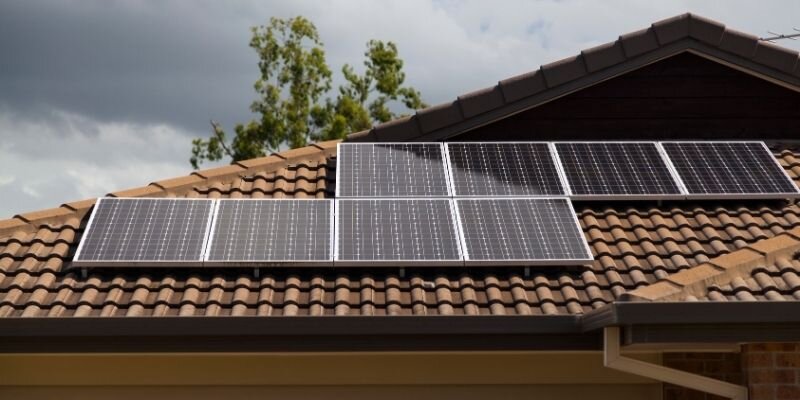
At a showing, buyers almost never ask about the shingles. Add panels to that roof, and three questions land fast: who owns them, what’s still owed, and does any of it transfer with the deed? Selling a house with solar panels reshapes the conversation around a Billings listing more than it reshapes the price tag. From what I’ve seen, buying houses, sellers who have their paperwork ready close without delays.
Sellers without them spend the last two weeks before closing on hold with a call center in another time zone, trying to get a document their buyer’s lender needed a month ago. That’s the real risk. Not that solar hurts your sale, but the paperwork behind it moves more slowly than everything else in the transaction.
Selling a home with solar panels? Billings Homebuyers can guide you through the process.
Do Solar Panels Increase or Decrease Your Home’s Value?

I used to underwrite solar as a dollar-for-dollar add, matching whatever the homeowner handed the installer. It was wrong, and not by a little.
National research published in 2015 by Lawrence Berkeley National Laboratory, summarized by the U.S. Department of Energy, found buyers paying roughly $15,000 extra for a home with an average-sized array. Zillow’s 2019 analysis put the bump near 4.1 percent of the sale price. In both studies, buyers live in markets where electricity costs far more than it does along the Yellowstone.
Cheaper power means thinner savings for the next owner, and the premium shrinks to match. An owned, modern solar energy system in good condition still adds real money to a Billings sale. A leased array usually subtracts, because the buyer inherits a bill instead of an asset. And a fifteen-year-old solar panel setup bolted over shingles due for replacement can drag your property value below what the same house would fetch with a bare roof. I’ve seen that pattern firsthand on similar properties.
Think of it less as a fixed number and more as a sliding scale. At the top sits a paid-off system, installed within the last several years, sized close to what the house actually consumes, with a transferable warranty and a folder of production data. The system reads as a permanent improvement, the same way a finished basement or a new furnace does. At the bottom sits a lease with a decade left on it, an escalator clause the seller forgot about, and no paperwork anyone can find. Most systems you’ll actually run into land somewhere in between.
Two houses on the same street make the point, since both have panels installed on the roof. The first seller hands over the payoff letter, the interconnection agreement, and a year of utility statements at the listing appointment. Her neighbor says the panels came with the house, and she thinks a company services them. The first house gets appraised with the system in the comparison. The second gets appraised as if the roof were bare, and the buyer’s agent starts asking for a credit to cover the unknown.
Oversizing matters too. An array built for a household that runs electric heat and charges two vehicles may produce far more than the next family needs. A buyer won’t pay a premium for power they can’t use or sell back at a meaningful rate. Right-sized systems appraise better than big ones. If the numbers stop working for you, there’s always the option to sell your home for cash and skip the appraisal question entirely. The same holds outside the city limits, since we buy houses in Laurel and the smaller Yellowstone County towns nearby.
Is It Easier or Harder to Sell a House with Solar Panels?

Panels are supposed to be the headline feature, the thing that pulls three offers on the first weekend. In practice, they’re a title question. I’ve seen the MLS photo get the click, but the contract still gets held up in the file room.
A financed array carries a UCC-1 fixture filing against the property, and that filing shows up in title work like any other lien. It has to be paid off, subordinated, or formally released before closing. Lease and power purchase agreements need a transfer package from the provider, and those companies work on their own timeline, not your buyer’s 30-day lock. I’ve watched a clean transaction in the Heights sit an extra 18 days waiting on a signed assumption form.
Financing adds another layer. FHA and VA appraisals treat leased panels as an encumbrance, not an improvement, which means the monthly payment counts against the buyer’s debt-to-income ratio. A conventional lender may require the leased system to be excluded from the appraised value entirely. None of this kills a sale. It just means the seller who starts gathering paperwork the week before listing is already behind.
So start earlier than feels necessary. Before you interview agents, call whoever holds the solar agreement and ask three things: what document proves your ownership status, and what’s the payoff or buyout figure good through the end of next month. Then ask what exactly your transfer process requires from a buyer. Write down who you talked to. Ask them to email the answers so you have something to forward instead of a memory of a phone call.
For a loan, the release of that fixture filing is the piece that gets forgotten. Paying the balance doesn’t automatically clear the record. Someone has to file a termination, and that someone is usually the lender, on their own schedule. Your title company can often arrange to pay the loan directly out of closing proceeds and collect the release as part of the settlement. This is cleaner than trusting a mailed form to arrive in time. Tell the title company about the solar loan the day you open escrow, not the day they flag it.
With a lease or a power purchase agreement, the buyer has to qualify with the provider, and that credit review is separate from the mortgage approval. It can run in parallel, but only if someone starts it. Get the transfer packet in your listing file so your agent can hand it to the buyer’s agent with the disclosures. A buyer who sees the monthly payment, the remaining term, and any annual escalator up front can price the house accordingly. A buyer who learns about it during inspection feels ambushed, and ambushed buyers ask for concessions.
Homes with owned, well-documented systems move at normal speed or slightly better. Homes with muddy ownership sit.
What Appraisers and Buyers Actually Want to See
Gather this before the sign goes in the yard:
- Proof of ownership or the full payoff amount on any solar loan.
- The original installation contract with the system size in kilowatts and the installation date.
- Manufacturer warranties on panels and inverter, plus workmanship coverage, and whether it transfers.
- Twelve months of NorthWestern Energy bills showing actual offset.
- The interconnection and net metering agreement, along with the provider’s process for assigning it to a new owner.
- Any roof work done at installation, and the remaining life on those shingles.
I’ve seen roof problems under panels, stall closings, more than once.
That production history does more persuading than any brochure. A buyer looking at a $38 average power bill stops asking whether solar works in Montana.
Put all of it in one folder, scanned, named plainly, and share it as a link your agent can drop into the listing remarks and forward to the appraiser. The appraiser isn’t going to hunt for this. Absent from view the day they walk the house, the system is far more likely to get noted and ignored than valued.
A few additions earn their keep. The permit and final inspection sign-off from the city tells an inspector the array was installed to code, which heads off a line item in the report. Monitoring portal access, or a printout of annual production, shows the system is still performing rather than just still present. Should the inverter have been replaced? Say so; a newer inverter under an active warranty is a selling point, and in every file I’ve reviewed, hiding it only invites questions. And if any panel has ever been serviced or a string has stopped reporting, disclose it with the repair invoice attached. Documented and fixed reads as maintained. Discovered during inspection reads as concealed.
Walk the buyer through the bills yourself, or have your agent do it. Point out a July statement and a January statement side by side so nobody assumes the savings are uniform year-round. Honest framing builds more confidence than an optimistic one, and a buyer who understands seasonal swing won’t call you in February feeling misled, something I’ve seen sink closings when skipped.
The Roof Question Nobody Wants to Answer
Panels and shingles should retire together. When an array goes on a roof with eight years left, the next owner inherits a removal and reinstall bill that runs a few thousand dollars on top of the reroof itself. Buyers who understand that will price it into their offer. Buyers who don’t will find out during inspection, and then you’re negotiating from behind.
If your roof is near the end of its life and you’re installing anyway, replace it first. If you’re selling within a couple of years and the roof is aging under existing panels, get a written quote for removal and reset. Then you can hand a number to the buyer instead of a shrug.
Know the age of your roof before a buyer’s inspector tells you. If you replaced it, find the invoice. If it came with the house, the permit record or the seller’s disclosure from your own closing usually has the date. Hail is part of life here, so also check whether a past claim paid for a partial or full replacement, and whether the array went on before or after that work. Those dates matter to the next owner’s insurance conversation.
The area under the panels is the part nobody looks at. Ask your installer or a roofer to check flashings and mounting penetrations while access is easy, not after a stain shows up on a bedroom ceiling. I’ve seen buyers walk away from a strong offer over roof questions like this. A short written inspection note in your folder is worth more at the negotiating table than an assurance that it’s never leaked. And if the roof and the panels both need money you’d rather not spend, we buy houses as-is. We are cash home buyers in Red Lodge, too, so a place outside Billings is still worth a call.
Frequently Asked Questions
Does a Solar Lease Have to Be Paid Off Before I Sell?
Not always. Most providers allow transfer to a qualified buyer, and some let you prepay the remaining term. Buyouts on older agreements can run high, so request the payoff figure early and compare it against what a transfer costs you in negotiating room.
Will an Appraiser in Billings Give Me Credit for the System?
Only if it’s owned and documented. Ask your agent to request an appraiser familiar with the Residential Green and Energy Efficient Addendum, and supply the install contract and production data up front.
Do Net Metering Credits Transfer to the New Owner?
The agreement transfers with a new interconnection application, but accrued credits generally do not follow you or automatically carry over. Confirm current terms with NorthWestern Energy before closing.
Is It Worth Installing Solar Right Before Listing?
Rarely. You won’t recover the full cost in a single sale cycle. Solar pays through years of avoided utility bills, so install when you plan to stay.
If you’re thinking about panels and wondering how they’d play out when you eventually sell, that’s a good conversation to have before anything goes on the roof. Give us a call or send a note whenever you’re ready. No pressure, no pitch, just straight answers about your house and your roof.
Helpful Montana Blog Articles