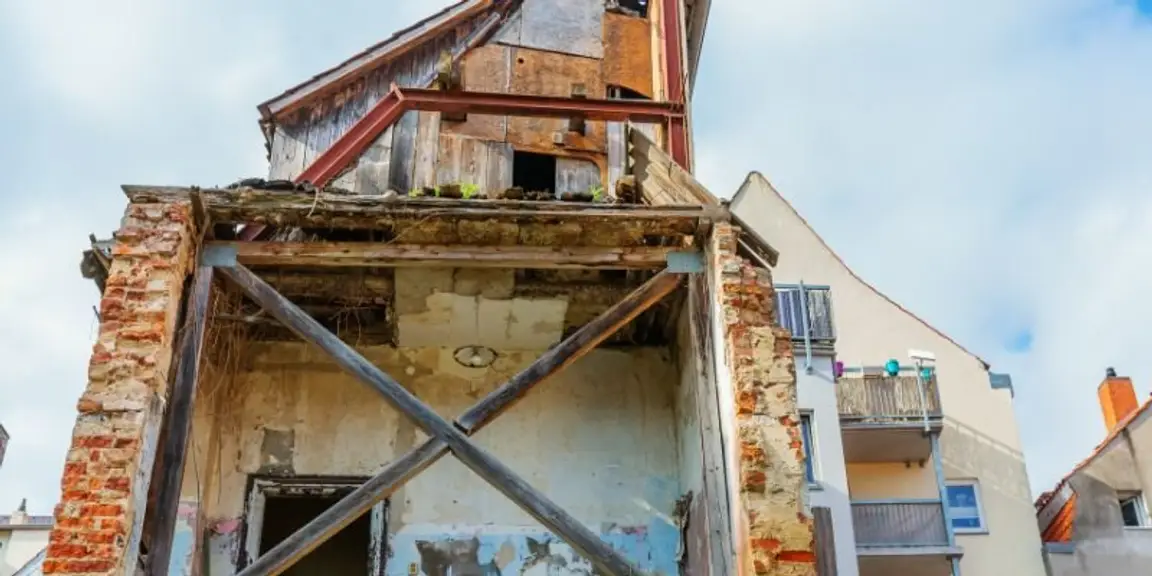


Picture a house sitting empty on the edge of Billings Heights, boards across two windows, a yellow notice taped to the front door, and weeds pushing through the porch boards. The owner hasn’t been inside in months. Maybe years. A condemned property tag can feel like a death sentence for a real estate situation, but it doesn’t have to be. Sellers in exactly that spot close sales every week in Montana, some of them faster than a traditional listing would have moved. If you’re looking for a company that buys houses in Montana, working with an experienced cash buyer can be one of the quickest ways to sell a condemned property.
This guide walks you through everything: what condemnation actually means under Montana law, who buys these properties and why, and how to get from that yellow notice to a closed sale without losing your mind or leaving money on the table.
What Is a Condemned Property in Montana?
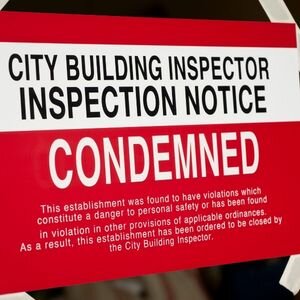
Most people picture an abandoned Victorian with a caved-in roof when they hear the word “condemned.” The reality is far more varied. Montana cities and counties issue condemnation orders on houses that fail basic habitability standards. Still, the threshold for what triggers that order shifts depending on whether you’re dealing with Yellowstone County, Cascade County, or a small town like Hardin. A property can be condemned for structural failure, active safety hazards, code violations that have piled up over years (sometimes decades, in my experience), or public health concerns.
Condemnation by the local building or health department is different from eminent domain condemnation. Eminent domain is the power of a government entity to seize private property for public use, compensating the owner at fair market value. Habitability condemnation is a regulatory order telling you the property can’t legally be occupied. People constantly confuse the two, and that confusion costs sellers time.
A condemned order doesn’t automatically strip you of ownership. Your deed stays in your name. Property taxes still accrue. I just wanted to let you know that your obligation to the title remains, along with the associated financial exposure. What changes is your ability to market the home to conventional buyers who plan to move in, because lenders won’t finance a property carrying a condemnation order. The pool of buyers narrows to cash purchasers and investors.
One more thing that often gets glossed over: a condemned label stays on the public record. Any title search a buyer or title company runs will surface it. Trying to sell without disclosing it isn’t just unethical; it exposes you to serious legal liability in Montana, and I’ve seen sales collapse entirely once that record came up at closing.
What Are the Grounds for Condemning a Property in Montana?
A couple of weeks ago, I sat with the Reeves family at their kitchen table in Laurel, a small city just east of Billings along the Yellowstone River. They’d inherited a property from a grandparent who’d lived there for 40 years. Cited three times by Yellowstone County code enforcement, the house became the center of a crisis when the family realized what they were dealing with: a condemnation order and an impending auction date because they’d fallen three months behind on the mortgage. Packed with old farm equipment nobody had touched in a decade, the garage was full. The weight of the situation was real. If you’re facing something similar, cash home buyers in Laurel can often make a same-week offer without requiring any repairs.
In Montana, condemnation usually stems from one of several specific conditions. Structural instability ranks at the top: compromised foundations, failing load-bearing walls, and roof systems that no longer protect occupants. Electrical hazards are another common trigger, particularly in older Butte or Great Falls properties where knob-and-tube wiring never got updated (I’ve seen inspectors flag these issues immediately). Plumbing failures that create sanitation hazards, mold infestations beyond the scope of remediation, pest damage that compromises the structure, and fire damage that renders a home uninhabitable all qualify.
Health code violations that go unaddressed push properties from “in violation” to “condemned.” Extended vacancies sometimes accelerate these issues because a house left empty without utilities through a Montana winter can deteriorate rapidly. Pipes freeze. Ice and snow loads compromise roofs. What started as a maintenance backlog turns into a condemnation case.
Montana municipalities also issue condemnation orders for properties that violate local zoning ordinances and pose public safety risks. This scenario is narrower, but it comes up, especially with properties converted from commercial to residential use without proper permits. If you’re weighing whether to repair or sell, it’s also worth understanding the typical FSBO Costs in Montana before deciding which approach makes the most financial sense.
How Does the Condemnation Process Work in Montana?
What happens after that first notice arrives in your mailbox? The timeline for official condemnation in Montana is actually shorter than sellers tend to think. Cities like Missoula and Billings typically send written notice of violation before issuing a formal condemnation order, giving property owners a window to respond or remediate. The notice window is your best opportunity to act, and most sellers miss it by not taking the initial citation seriously enough to pick up the phone.
Once a formal condemnation order is issued, the county or city posts a notice on the property and records the order with the county. At that point, occupants must vacate, and the property owner receives formal documentation detailing the violations and the remediation requirements. The documentation typically includes a compliance deadline. Miss that deadline without a response, and the local authority can move toward abatement, meaning the city hires contractors to address the immediate hazards and bills the owner, often placing a lien against the property title.
In Montana, condemnation proceedings involving health and safety violations fall under the jurisdiction of the city or county building official, in coordination with the local health department in cases involving sanitation or environmental contamination. In rural areas like parts of Custer County or the Hi-Line communities, enforcement can move more slowly simply because there’s less administrative infrastructure. That slower pace has its pros and cons: sellers sometimes have more time to respond, but liens can accumulate quietly (and without any notice to you).
Property taxes don’t pause during a condemnation. That’s a detail that surprises sellers more than anything else I see. County officials expect their tax payments regardless of whether the structure is livable, so an already-difficult financial picture compounds month by month.
What Are the Legal Requirements for Selling a Condemned Home in Montana?
That compounding financial pressure is exactly why understanding the disclosure rules is so important for negotiating anything.
Montana requires sellers to disclose any known material defects in real estate transactions. A condemnation order is unambiguously a material fact. You’ll need to disclose it. Full stop. Any buyer doing a title search will find the recorded order anyway, so attempting to obscure it serves no one and creates legal exposure you don’t want. Your real estate agent or broker, if you’re using one, is also legally obligated to disclose it once they know. Montana Association of Realtors’ standard seller disclosure forms include questions about government orders affecting the property, including condemnation.
From a paperwork and documentation standpoint, you’ll want to gather the original condemnation notice, any subsequent correspondence from the city or county, documentation of any outstanding liens (including any abatement liens the municipality placed after performing emergency work), and your current deed to confirm a clear title. A title company will need to sort through all of these documents before a sale can close, which is why getting a preliminary title search early in the process saves significant time later.
Montana doesn’t impose a separate state-level transfer tax on real estate sales, which means you won’t have to pay that cost. You will, however, need to address any outstanding property tax balance, since delinquent taxes must be resolved at or before closing. A cash buyer can sometimes negotiate to have those taxes included in the purchase price, but that’s a sale-by-sale conversation, not an automatic one.
Selling a condemned property to another owner doesn’t relieve you of liability for conditions that existed during your period of ownership, so keep records of all communications with code enforcement and any remediation attempts you made. Those documents protect you after the sale closes.
What Can You Do with a Condemned Property in Montana?
“So I’m just stuck with an unsellable house?”
No. Condemned properties in Montana sell regularly, and owners have more options than they realize.
Rehabilitation is the first path. If the condemnation order was triggered by specific code violations, addressing those violations directly and passing a reinspection will lift the order. That’s straightforward in theory, but costs can be steep. Depending on the scope of work required, you might be looking at tens of thousands of dollars in remediation before a building official signs off. For some sellers, particularly those who already have equity in the property and the financial capacity to fund repairs, this path makes sense because a fully habitable home commands a higher sale price (sometimes significantly higher, in my experience).
Selling as-is is the second, and far more common, path for people in financial distress or with time-sensitive situations. Cash buyers and real estate investors actively purchase condemned properties. They factor in repair costs and risk, but they also move fast, don’t require conventional financing, and aren’t concerned about a condemnation notice the way a traditional buyer would. If you’re wondering how Billings Home Buyers buys homes, understanding the process can help you know what to expect before requesting an offer. A condemned house in a prime Billings neighborhood, like West End or the South Side, can still attract investor interest because the land has value even if the structure doesn’t.
Demolition and land are the third options. Some properties have gone so far beyond repair that the most rational course is to tear down the structure, clear the lot, and sell the land. This costs money upfront but can resolve a situation that would otherwise spiral out of control.
A fourth option that rarely gets discussed: donating the property to a qualified nonprofit or municipality. In some cases, the donation can generate a tax deduction and eliminate ongoing carrying costs, though it requires a willing recipient and a clean enough title to transfer. You can consult a tax professional before going this route.
How Do You Remove a Condemned Status in Montana?
A colleague once told me about a property in the Westside neighborhood of Billings. This two-bedroom bungalow had been condemned primarily due to a collapsed utility-room addition and a failed furnace. By Tuesday of the following week after the owner became serious about remediation, a licensed contractor had assessed the work, permits had been pulled, and within 60 days, the condemnation order was lifted (faster than most people expect). Six weeks after that, the house was sold to a young family.
Removing a condemnation order means satisfying the specific violations listed in the original order and requesting a reinspection from the authority that issued it. You can start by getting the written condemnation order and reading it carefully. The document lists every violation you’re on the hook for. Each one needs to be addressed by a licensed contractor, documented with permits and inspection records, and verified by a building official.
In Montana, renovation work on properties with condemnation orders generally requires pulling building permits through the relevant city or county building department. Billings permits go through the Yellowstone County Building Department; Missoula has its own city building division. Great Falls and Helena both run through their respective city planning and building offices. Going the unpermitted route to save money is a mistake; it won’t satisfy the condemnation order and may expose you to additional violations (inspectors specifically review permit history).
After repairs are complete, please submit a written request for reinspection. An official will come out, verify the work, and if everything meets code, issue a written release of the condemnation order. Have that release recorded with the county and make sure the title is updated accordingly. Your title company will need a copy during any subsequent sale.
One thing that doesn’t automatically clear with the condemnation order is municipal liens. Any abatement costs the city or county charges to your property must be paid separately, which means a buyer’s title search will surface them and slow your closing. Request a full lien payoff statement from the municipality before or during the sale process.
Who Buys Condemned Houses in Montana, and What Do They Offer?
For years, I assumed that condemned houses attracted only bottom-feeder investors looking to steal equity. That view is wrong, and I’ve had to update it through experience.
The market for condemned and distressed properties in Montana includes several distinct buyer categories. Local fix-and-flip investors are the most visible group. They buy, renovate, and resell, and their offer prices reflect both the cost of repairs and the profit margin they need to make the project work. Their offers will feel low compared to what a rehabbed home would fetch, but they’re often the fastest path to a closed transaction. A cash offer with a two-week close from an investor beats a six-month retail listing that falls apart twice because of financing (condemned properties kill conventional loans).
Real estate developers look at condemned properties through a land-value lens, especially in growing areas like the West End of Billings or south Missoula, where lot prices have climbed. The structure matters less than the parcel’s location, size, and zoning.
Experienced home buyers who specialize in distressed properties are another category. These aren’t flippers; they intend to live in the home after completing renovations themselves. They’re a smaller group, but they exist, especially drawn to properties with cosmetic issues rather than deep structural problems (peeling paint, dated kitchens, and worn floors).
Investors will typically offer you somewhere between 50 and 70 percent of the property’s post-repair market value, minus the estimated renovation cost. That range shifts based on the severity of the violations, the local market, and the seller’s level of motivation. In Billings, where the median sale price for a home was around $389,000 as of late 2025, a condemned property in a desirable neighborhood might still generate a reasonable offer even after deep discounting (location pulls more weight than condition).
Billings Homebuyers is one local resource worth contacting. They buy houses in any condition in the Billings area and surrounding communities, and they’re experienced with distressed and condemned properties specifically. no repairs required, no agents, no waiting for financing approvals.
What Are the Pros and Cons of Selling a Condemned House Without a Realtor in Montana?
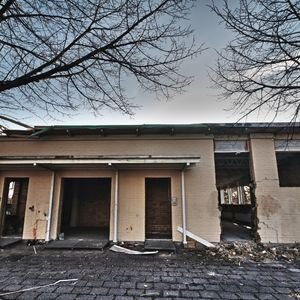
Selling a condemned property without a real estate agent is usually the best option, and most people make the question more complicated than it needs to be.
Traditional agents earn their commission on conventional listings by bringing buyer exposure, marketing reach, and negotiating leverage. A condemned property eliminates most of the buyer pool that benefits from MLS exposure. Conventional buyers with mortgages can’t purchase it, and cash investors who buy condemned houses don’t need to find your listing on Zillow. They’re already out there looking. Paying a 5 or 6 percent commission on a sale where the agent brought no unique value is just giving money away.
The For Sale By Owner (FSBO) path does carry real responsibilities. You’re handling negotiations and reviewing paperwork, coordinating with the title company, managing the closing timeline, and ensuring disclosure documents are properly prepared and signed. Those aren’t impossible tasks, but they take attention and time. Sellers who try to FSBO a condemned property without understanding Montana disclosure requirements or how to read a purchase contract create problems that can unwind the sale at closing.
The honest tradeoff: selling without an agent saves you a significant portion of the sale price in commission costs. On a $200,000 distressed-property sale, that’s $10,000 to $12,000 in your pocket. Those savings are real money. The cost is that you’re carrying the process yourself, and if something goes sideways legally or procedurally, you don’t have a licensed professional in your corner.
Working directly with a cash buyer sidesteps many of the FSBO complications, as the buyer handles much of the paperwork and simplifies the process. This is where a company like Billings Homebuyers earns its value: they bring a streamlined process for exactly these situations.
How to Sell a Condemned House in Montana Without a Realtor
Sit down with your condemnation order and your deed before you do anything else. Those two documents define your starting position and your constraints.
First, obtain a preliminary title report from a Montana title company. This surfaces all liens, encumbrances, and recorded orders against the property. Surprises at closing kill the sale; issues revealed upfront are just problems you can plan around. Title companies such as First American and WFG National Title, as well as local Montana abstractors, regularly handle these transactions (including those involving condemned properties).
Second, gather documentation of the specific violations in the condemnation order. Buyers will ask. Investors will want to know whether they’re dealing with structural issues, hazardous materials such as asbestos or lead-based paint (both common in pre-1980 Montana homes), plumbing failures, or electrical problems. The more information you have up front, the faster buyers can make offers.
Third, price honestly. Please take a look at comparable land sales or distressed property sales in your area, not comparable homes in move-in condition. An overpriced, condemned property sits forever. Montana’s overall housing market has homes spending around 85 days on the market as of mid-2026 per Redfin data, and that’s for conventional listings. A mispriced condemned property can sit much longer with no traction at all.
Fourth, contact cash buyers and investors directly. Post on FSBO platforms for exposure, but reach out proactively to local home buyers. Get at least two or three offers before accepting anything. If your property is near Gallatin County, connecting with cash home buyers in Four Corners can help you compare multiple offers before accepting one.
Fifth, use a licensed title company or real estate attorney for the closing. This is non-negotiable. They handle deed transfers, escrow, and lien payoffs and ensure the county properly records the change in ownership. This step isn’t where you cut corners.
What Negotiation Strategies Work Best When Selling a Home by Owner in Montana?
Billings, with around 115,000 residents and a median home sale price in the upper $380,000s, sees enough investor activity that sellers who understand the numbers walk away from the sale feeling confident rather than taken advantage of.
Getting competing offers is the single most effective negotiating tool available to sellers of condemned property. Call three buyers instead of just one. When investors know another offer is on the table, their initial lowball tends to tighten up. This doesn’t require playing games or manufacturing fake urgency; just tell each buyer you’re getting multiple opinions on value and you’ll make a decision by a specific date.
Ask buyers to itemize their repair assumptions. When an investor says a property needs $80,000 in work, ask them to break that down. Sometimes, estimates are inflated as a negotiating cushion. Occasionally, they’re accurate. Knowing the difference lets you push back on specific line items with your contractor quotes, which shows you did your homework.
Flexibility in the closing timeline is a real negotiating chip. If you can close in 10 days, some buyers will pay slightly more for that speed. Should you need 45 days to resolve a title issue or a lien, disclose that early and factor it into your expectations.
Never sign anything with a “right of first refusal” clause that prevents you from taking a better offer. Some investors try to insert these. You can walk away from any buyer who won’t remove that language. A comparative market analysis from a local agent or data from public county records can help you anchor your expectations to reality.
The Montana Association of Realtors and county assessor databases offer publicly accessible sales data. Use them. Knowing what similar parcels and distressed properties in your area have sold for gives you a foundation for every conversation.
How Much Money Can You Save by Selling Your Montana Home by Owner?
Sellers who skip the commission math and just accept whatever an investor offers first frequently leave thousands on the table, not because investors are dishonest, but because sellers didn’t know their own baseline.
Agent commissions in Montana range from 5 to 6 percent of the sale price, split between the listing agent and the buyer’s agent. On a condemned property that clears $150,000 after liens, that’s $7,500 to $9,000 in commission alone. Add title insurance, which runs a few hundred to a couple of thousand dollars depending on the sale price, any outstanding property taxes that must be cleared at closing, and any municipal liens from abatement work. Those costs add up fast.
Selling directly to a cash buyer without an agent means keeping the full commission portion. Some direct buyers also cover closing costs as part of their offer, further reducing your out-of-pocket costs. Montana has no deed transfer tax, which helps.
The trap sellers fall into: assuming FSBO means accepting any offer that comes in because they don’t want to negotiate. A $130,000 cash offer and a higher cash offer both arrive without agents, but the $20,000 difference between them is real money that is yours if you shop the sale properly.
One more consideration: carrying costs. Every month you own a condemned property, taxes accrue, insurance costs something (if you can get coverage at all on a condemned structure), and the property itself may be deteriorating further. Zillow put Montana’s statewide typical home value at around $476,000 as of mid-2026. Still, condemned properties don’t wait for favorable market conditions to stop costing their owners money. Speed has a real dollar value here.
Final Thoughts on Selling a Condemned House in Montana

Is the situation actually as bad as it feels?
Rarely. Most condemned properties in Montana have a clear path forward, and most sellers who work through it end up in a far better position than they thought they would be when they first saw that notice on the door. The state’s housing market, even with prices moderating from their pandemic peaks, still reflects real underlying land value for condemned properties in most communities (especially on larger lots).
Marcus Henderson reached out to me on a Thursday afternoon about a property in Hamilton, a small city in the Bitterroot Valley about 45 minutes south of Missoula. His mother had just moved into an assisted living facility, and the home she’d owned for decades had accumulated code violations over the years she’d been unable to maintain it herself. The detached garage was packed with her late husband’s woodworking equipment; Marcus wasn’t sure what to do with any of it. The condemnation order had been in place for about eight months, and two municipal liens had attached to the title during that time. His main concern wasn’t maximizing price; it was closing cleanly and quickly so he could focus on his family. I walked through the title situation with him, helped him understand what it would cost to clear the liens, and connected him with a buyer who could move on a 2-week timeline. He left with less than full market value, and that was the right outcome for his situation.
That’s the point people miss about condemned property sales: the right outcome isn’t always the highest number. Sometimes it’s the fastest close. Sometimes it’s the cleanest way to transfer a deed. Occasionally, it’s just finally putting a difficult chapter behind you.
Montana’s condemned property market has buyers. The Billings market, in particular, maintains steady investor interest due to its relatively short days-on-market compared to the rest of the state. And cash buyers like Billings Homebuyers operate specifically for situations like yours, with no repairs required and no agent fees to eat into what you walk away with.
Frequently Asked Questions
Can You Sell a House That Is Condemned?
Yes, you can sell a condemned house. You don’t lose ownership rights when a condemnation order is issued; your deed remains valid. The primary restriction is that the property can’t legally be occupied, which eliminates most conventional buyers who need mortgage financing. Your realistic buyer pool consists of cash investors and experienced home buyers who purchase properties as-is, and such sales occur regularly in Montana.
What Is the Abandoned Property Law in Montana?
Montana does not have a single consolidated abandoned property statute for real estate. Still, municipalities have authority under Title 7 of the Montana Code Annotated to address nuisance and unsafe structures through local ordinances. If a property is abandoned, code enforcement can issue violations, order remediation, and ultimately pursue abatement at the owner’s expense. Those costs become liens against the property. Ownership doesn’t automatically transfer to the city; the city must go through a separate legal process, including potential tax deed proceedings, which can take years.
How Much Is a Condemned House Worth?
A condemned house in Montana is typically worth somewhere between 30 and 60 percent of what the property would bring in move-in condition, depending on the scope of violations, the cost of remediation, and the value of the underlying land. Location matters enormously: a condemned property on a desirable lot in Billings Heights carries more residual value than the same structure on a rural parcel in a declining area. Get multiple cash offers before settling on a number, because investor estimates of repair costs vary, and that variance directly affects your offer.
Do You Have to Pay Property Taxes on a Condemned House?
Yes. Property taxes continue to accrue on condemned properties in Montana regardless of whether the structure is habitable or occupied. The county assesses the property based on its value, and tax bills come due on the same schedule as any other property. Falling behind on taxes while a condemnation order is in place compounds the problem quickly, since delinquent taxes must be resolved before a sale can close. Address tax arrears early in the process so they don’t become a surprise lien that delays or kills a sale at closing.
If you’re dealing with a condemned property in Montana and aren’t sure where to start, feel free to reach out to Billings Homebuyers. Before getting started, you can also check out other frequent questions about selling a house directly to a local home buyer. They work with sellers in exactly this situation across Billings and the surrounding area. No repairs, no commissions, no pressure. Just a straightforward conversation about what your options actually look like.
Helpful Montana Blogs
- Paperwork Required For Selling Your House By Owner In Montana
- How to Sell a Hoarder House in Montana
- Selling a House that Needs Repairs in Montana
- Selling Home with Reverse Mortgage in Montana
- Selling a House with Foundation Problems in Montana
- How to Sell a House with Title Issues in Montana
- Who Pays For The Appraisal And Inspection in Montana
- Selling a House With a Pending Lawsuit in Montana
- How Long Does It Take to Sell a House in Montana
- Selling Your Elderly Parents’ Home
- Can I Sell My House for Less Than Appraised Value
- How To Sell a Condemned House in Montana
- FSBO Costs in Montana