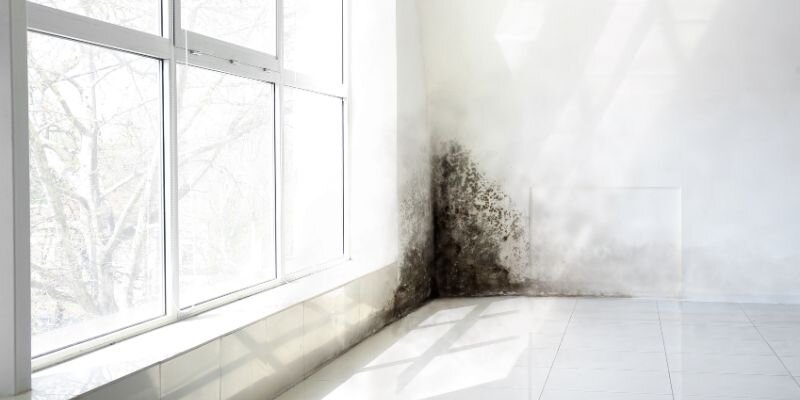
When you sell a house in Montana, you should think about what could go wrong, especially if the house has mold trouble. For the sale to go through, both the buyer and the seller need to know what the state’s rules are about information. Mold is bad for your health and can turn a house into something that people don’t want to buy. In other words, sellers need to know that they need to tell possible buyers about these terms. Even though it might seem hard, sellers can keep track of all these duties and still follow the law and the process if they do it the right way. Even though it might seem hard, sellers can keep track of all these duties and still follow the law and the process if they do it the right way. Billings Home Buyers can help guide you through selling your Montana home safely and efficiently.Find out what you need to do to sell your moldy Montana home.
Understanding Mold Issues Before You Sell Your House

It takes a lot of thought and work to sell a house in Montana that has mold in it. Mold is bad for the environment and for the value of a house. If you want to sell your home, you should know how mold can affect the sale. Montana has different types of mold that can grow and harm people and property in different ways. Mold can change how much a house is worth and how appealing it is to buyers, so sellers need to know this. If you know about these little things, it will be easier to negotiate and help you make better decisions when you are selling.
The Impact of Mold on Property Value
Mold can make it hard to buy or sell a house, which can have a big effect on its market value. If you want to sell your home in Montana, you need to know how mold affects it. When people find mold in their home, they often change their minds or offer less money for it. People think that mold growth is a problem that needs to be fixed. For homeowners who want to sell my house fast in Montana, addressing these issues early can help maintain property value and attract buyers.To find out how bad the problem is, homes are often inspected and surveyed. Things like these worry the Montana real estate market even more, since the weather there can make mold grow faster.
People who want to buy a house know that mold can make them sick, such as with breathing problems and allergic reactions. This makes the house less appealing overall. If owners don’t tell buyers that their house has mold on it, they could get in trouble with the law and lose the buyers’ trust, which would make the house even less valuable. Let’s say there are mold problems. Being honest about them might help with price talks. But ignoring them can make it much harder to sell.
Also, buyers often have to pay a lot of money to get rid of mold, which could mean hiring professionals to fix the issue before the house is sold. There is a chance that prices will drop because the house is known to have had mold problems in the past. This cost can make it much harder to make money when you sell your house. So, fixing mold problems can keep your home’s value from going down and make it easier to sell in Montana, where the real estate market is very competitive.
Common Mold Types Found in Montana Homes
Montana has a temperature that makes it easy for mold to grow in houses. This can make it hard for people to sell their homes. You can find Cladosporium, Penicillium, and Aspergillus molds most often in homes in Montana. They are all different and need to be dealt with in different ways. Many people have cladosporium mold in their homes. It grows well in damp places like bathrooms and basements. It looks like olive-green or brown spots, and while it’s not generally dangerous, it can make people allergic or make asthma symptoms worse, which can make a property less eco-friendly.
Penicillium is another type of mold that is often found in water damage, and it could mean that there are issues with the pipes. The penicillium is blue or green and spreads fast. The way it looks could mean that the house has moisture problems that need to be fixed before it can be sold. This type of mold can also be bad for your health. People who are worried about pollution are less likely to want to buy homes that have this mold.
But there are some types of Aspergillus that are more dangerous, especially for people whose immune systems aren’t strong. There are many kinds of it in HVAC systems and other dirty places. It’s bad for your health and makes it harder to clean up. Get rid of these kinds of mold before they get worse. This will protect the home’s value and make it easier to sell. This is proof of how important full home inspections and documents are in Montana’s real estate market.
Mold Disclosure Requirements in Montana
If you want to sell your Montana home, you need to know the rules about telling people about mold. When the state makes transparency rules, they focus on being open to protect everyone involved in the sale. This part talks about the Montana Mold Disclosure Act and why it’s important to have mold disclosure statements. If sellers follow these rules, they can be sure they are following the law and also build trust with people who might buy their home. Many homeowners who want to sell my house fast in Big Timber, MT find that proper disclosure not only keeps them compliant but also speeds up the sale.If you want to sell your house, it’s important to know these rules. This is especially true in a market where bad news can affect decisions.
| Requirement | Disclosure Timing | Information Required | Penalties |
|---|---|---|---|
| Seller’s Obligation | Before Sale | Known Mold Issues | Legal Action |
| Seller’s Obligation | Upon Discovery | Mold Inspection Reports | Contract Termination |
| Property Condition | Inspection Period | Safety Concerns | Repair Requests |
| Health Standards | Throughout Process | Potential Risks | Compliance Orders |
Understanding mold disclosure requirements is critical for ensuring that property transactions in Montana are completed transparently and with due regard for all parties’ safety and legal responsibilities.
The Importance of a Mold Disclosure Statement
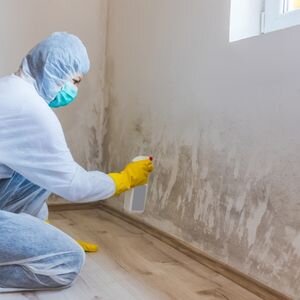
The mold exposure statement is a key piece of paper for people in Montana who want to buy a home. People who are buying a house can use this information to make smart decisions about what to do if they see symptoms of mold growth. Because the weather in Montana is so unpredictable and mold is common, this statement of openness is very important for real estate there. A full disclosure helps buyers figure out the possible health risks of being around mold, which can lead to breathing problems and allergic responses. Giving this information up front shows that the seller is truthful and builds trust with the buyer. This could help avoid disagreements that happen because of problems that weren’t disclosed. In the future, the disclaimer can also help sellers avoid being attacked. A seller could be sued if they don’t tell buyers everything they need to know about mold, especially if buyers find mold that makes them sick. This line is part of what buyers in Montana are required to tell you as a whole. The notice tells them to write down any bad things that might affect the property’s value or the buyer’s choice. Before a house is put on the market, it is often carefully inspected to see how bad any mold problems are and what needs to be done to fix them. This is part of the transparency statement. It’s hard to buy a house in Montana, but a mold disclosure statement can help you get a better sale. Some problems, like mold, can lower the value of a home. If the seller is honest about these issues, they can make a fair price change that takes into account how much the buyer might have to spend to fix the problem. The statement keeps you safe and makes plans for the future. It makes sure that property sales go as quickly and clearly as possible, which is good for both buyers and sellers.
How the Montana Mold Disclosure Act Protects Buyers
The Montana Mold Disclosure Act makes sure that sellers tell buyers the truth about mold, which protects buyers. Because of this rule, sellers must write down any information they have about mold or work that has been done in the past to get rid of mold. This way, buyers can get all the facts they need to give the house the right rating. Now that buyers know this, they can think about the health effects and how much it will cost to fix the problem before making a choice. This way, problems won’t come as a surprise after the sale. This law is good for buyers because it makes people more likely to be honest. This means that buyers are less likely to find mold problems after the sale. The law says that buyers have to do something, and before they sell the house, they usually need to have a professional check it out to see if there is mold. This helps both buyers and sellers. Buyers feel better about the sale when sellers do this. When buyers have all the facts, they can negotiate better, and they might even ask for price changes to account for how much and how hard it will be to remove mold in the future. The Montana Mold Disclosure Act protects buyers and helps keep the market honest. People who sell homes feel more responsible and duty-bound because they have to follow the rules. This makes things more fair and makes sure that issues like mold are found and fixed the right way. At the same time, the act shields sellers from lawsuits and other problems that could happen because of mold problems that were not disclosed. This makes transactions go more smoothly. The act’s definition and framework are good for both buyers and sellers because of this. It also opens up the way real estate is done in Montana’s home market.
Navigating Property Sales with Adverse Material
It’s important to fix problems like mold before you try to sell your Montana home. Getting rid of mold successfully can make a home much more marketable. The rules for mold cleanup and inspections in Montana are very important for making sure that home checks and reports are done right. People who are selling their home can make it more valuable, meet health standards, and speed up the process by taking care of mold problems themselves. How can people make sure they follow state rules and meet buyer standards before they put their moldy homes on the market? That’s what this part is about.
Steps to Address Mold Before Selling Your Estate
Before you sell a house in Montana, especially if it has mold issues, you should make a well-thought-out plan for fixing the problems. Learn more about how we buy homes and the services offered to help sellers navigate inspections and mold remediation.This is the first thing that needs to be done. This way not only finds the mold but also fixes the issues that are making it grow, like holes or not enough airflow. In Montana, the real estate market requires a mold check. This is important because it finds secret mold that can be harmful to health and lower the value of a home. If you find mold, you need to clean it up. To avoid more health issues and property loss, this step is very important. It makes sure that the mold problem is properly taken care of. As part of remediation services, people generally clean, sanitize, and set up ways to keep outbreaks from happening again. Before making an offer on a house, potential buyers usually want to know a lot about how to fix problems with bad materials. This step is very important because it brings back the home’s character and charm. Getting rid of all mold will let buyers show off a clean, safe home, which will help them make more money and sell more quickly. But it’s not enough to just find and fix problems; buyers need to know everything about the property through proper disclosure. In Montana, the law says that a full mold notice is needed. This means that people who want to sell must know about any mold issues that have been reported before and what was done to fix them. Giving all the facts builds trust and can help with talks by showing that the seller wants to fix any big issues. People who sell things need to take this step because it protects their health and the world and keeps them from getting sued in the future. Montana has strict rules about real estate. To follow the rules, sellers can improve their chances of a good sale by being open and detailed about mold.
Ensuring a Smooth Real Estate Transaction

If you want to buy a house in Montana, the first thing you need to do is take care of any problems that might come up, like mold. They should think about the health risks and costs of living in a moldy house before they buy it. Molds like Cladosporium, Penicillium, and Aspergillus grow a lot in Montana because of its unique climate. Most of the time, this means that houses need to be carefully checked out before they are sold. In this first step, you make sure that any problems are found and also help tell a clear story to people who might buy the house.
Being honest is important for sellers to keep buyers’ trust throughout the sale. The process can go much more quickly if you hire a real estate agent who knows about mold. When agents help with property disclosures and inspections, they make sure that all the correct information about mold is given. Montana’s Mold Disclosure Act says that sellers must tell buyers about any mold issues they know about, any attempts they’ve made to fix them in the past, and any worries they still have about how they might hurt the property’s value. It’s easier to talk to buyers when everything is so open. Buyers are becoming more careful to check out the state of a home before committing.
It is suggested that you hire a cleaning service to get the house ready to sell. People who own homes may decide that these services are worth the money because they help them sell their homes faster and give them peace of mind that they won’t have to sale with mold issues after they move in. Once the mold is gone, it’s important to make sure that all disclosures are up-to-date with clear, complete papers. This will help keep problems and lawsuits from happening again. Buyers like it when things are clear. If mold issues are brought to their attention and fixed right away, they’re more likely to see the sale in a good light, which makes the negotiations go more smoothly.
If you want to buy or sell a house in Montana, it’s important that the buyer’s agent, the seller’s agent, and professional inspectors all work well together. Sales are hard to handle, but everyone can do better if mold problems are fixed fast and lines of communication stay open. This organized method not only follows the law, but it also makes things better for buyers and sellers, which helps build trust in Montana’s tough real estate market.
You have to follow certain naming rules in Montana if you want to sell a house that has mold on it. This is to make sure that everything is clear and legal. People who own homes should make thorough checks a priority and tell potential buyers the truth about any mold issues they find. This way not only builds trust, but it also lowers the risk of getting in trouble with the law. They can make sales go more easily and help everyone make better choices by following these rules. It can be even easier to sell your home legally and quickly if you hire experienced professionals to do property inspections and learn the rules in your area.
FAQs
What are the disclosure obligations for selling a house with mold in Montana?
Sellers must comply with Montana’s disclosure requirements, including providing a mold disclosure statement. This ensures transparency about any known mold issues or past remediation efforts, as mandated by the Montana Mold Disclosure Act.
How can mold affect the selling process of a home in Montana?
Mold can significantly reduce a property’s value and desirability due to associated health risks and the remediation costs required. It is important to address and disclose mold issues to ensure smooth negotiations and potential price adjustments.
What steps should be taken for mold inspection and remediation before selling a house in Montana?
Conduct a professional mold inspection to identify and address any mold problems. Follow this with mold remediation to clean and prevent future outbreaks. Ensure full disclosure of past mold issues and remediation efforts to prospective buyers.
Why is transparency important when selling a house with mold issues in Montana?
Transparency regarding mold issues builds trust with potential buyers, reduces legal liabilities, and contributes to easier negotiations. It ensures buyers are informed of any potential health risks and the required repair costs associated with mold exposure.
What are the potential health risks associated with mold exposure in homes?
Mold exposure can lead to respiratory problems, allergic reactions, and other health issues, particularly affecting individuals with asthma or weakened immune systems. Mold types prevalent in Montana, like Cladosporium, Penicillium, and Aspergillus, may pose varying health risks.
Helpful Montana Blog Articles